


When Seamus Culleton was taken into ICE custody on September 9, 2025, the story seemed straightforward. An Irish immigrant who had lived in the United States for nearly two decades, married to an American citizen, owner of a plastering business in Massachusetts, and reportedly in the final stages of the green card process with a valid work permit, was pulled over on his way home from work and swallowed by the immigration system. He described being transferred through multiple facilities before ending up in El Paso, Texas, nearly 2,500 miles from his Boston home. From there, he told reporters he was locked in a room with 71 other men in what he called squalid conditions, with insufficient food, negligible time outdoors, and an atmosphere thick with anxiety and tension. He characterized it as psychological torture.
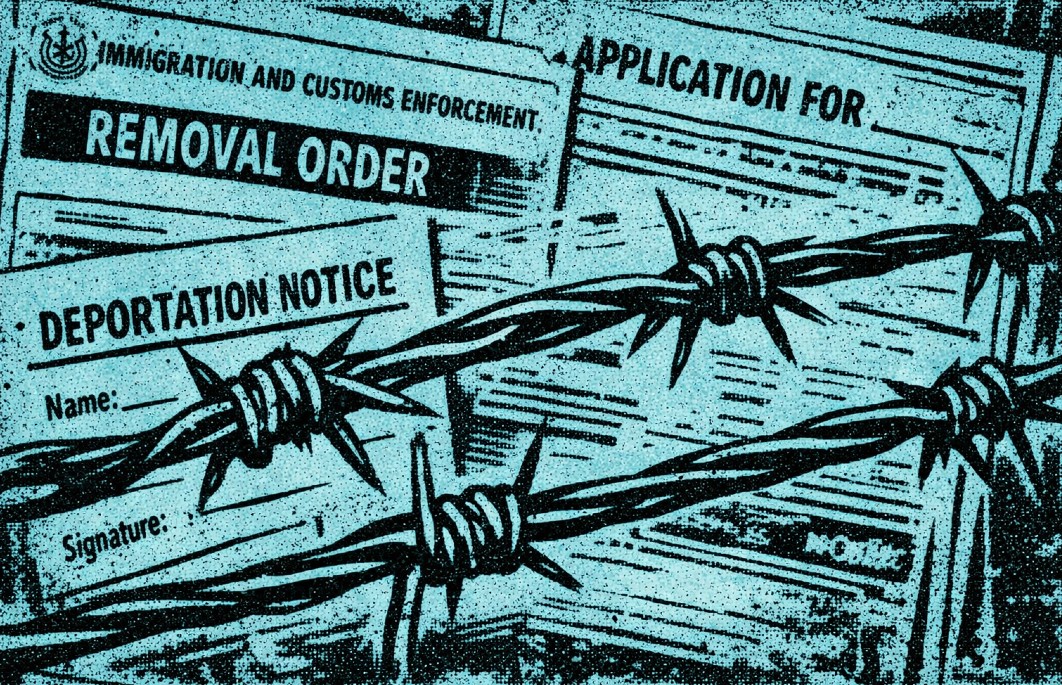
More explosively, Culleton claimed ICE officers pressured him to sign deportation paperwork that he says he refused to sign. He maintains that he checked the box contesting removal and never consented to being deported, yet ICE later told a court he had signed documents agreeing to removal. Culleton insists the signatures are not his. That allegation, if true, would mean a federal agency forged removal consent to expedite deportation. A judge reportedly noted irregularities in ICE’s paperwork but ultimately sided with the government. At one point bond was said to have been approved, only to be denied afterward. A federal court later issued a temporary 10-business-day halt to his deportation, buying him a brief reprieve but not resolving the underlying dispute.
The Department of Homeland Security emphasized that Culleton entered the United States in 2009 under the Visa Waiver Program and overstayed the 90-day limit. Under that program, visitors waive certain rights to contest removal, and a pending green card application does not automatically confer lawful status. DHS described him as “an illegal alien from Ireland” and stated he received a final order of removal the day after his arrest. Legally speaking, an overstay is still an overstay, and that reality complicates the earlier narrative of a man doing everything right. But a removal order issued within 24 hours for someone who had lived in the country for nearly two decades still raises legitimate questions about how thoroughly such cases are reviewed.
Then came a recent Boston Herald report, and the case shifted again. According to Boston Police records, Culleton allegedly violated restraining orders filed by his ex-wife between 2019 and 2021. Police reports describe alleged harassment, threats in which he “wished death on her,” attempts to interfere with her employment, and one reported text message that allegedly included a racial slur directed at his ex-wife, who is Black. Another protective order was reportedly filed by a male coworker whom police say Culleton was allegedly stalking and threatening. A hearing was held in 2021, but neither party appeared, and the matter was dismissed without prejudice. In addition, Irish authorities reportedly issued warrants in 2009 relating to alleged drug possession, possession for sale or supply of ecstasy, obstruction of a police officer, and criminal damage. It is unclear from public reporting whether those charges were ever adjudicated or whether the warrants remain active.
If even some of these allegations are accurate, we are not dealing with a spotless family man but with someone whose past behavior is deeply troubling. I have no time for domestic abusers. If he physically abused his ex-wife, stalked her coworker, or used racial slurs and threats, that conduct is reprehensible. But due process does not hinge on likability. If ICE forged documents, it does not become acceptable because the person involved has an ugly past. If detention conditions are inhumane, they do not become humane because the detainee is an assclown.
There are still serious questions that deserve answers. Did ICE know about the alleged Irish drug warrants when they arrested him? Was this detention tied in any way to an extradition request, or was he simply picked up for being foreign-born and out of status? From everything publicly available, this appears to be an immigration removal case, not an extradition proceeding. If that is true, the later surfacing of alleged criminal history does not retroactively justify any procedural irregularities in how his case was handled. His alleged past may cause some to doubt his claims about forged signatures, but skepticism cuts both ways. If irregularities were noted in ICE’s paperwork, those concerns should be independently examined, because if paperwork is being manipulated in one case, it could be happening in others.
Culleton’s description of detention conditions in El Paso is also not unique. Accounts from former detainees, journalists, and advocacy groups have for years described overcrowding, limited outdoor access, sanitation problems, and a climate of uncertainty in certain facilities. The government has denied his claims and stated he was offered the opportunity to return to Ireland but chose to remain in ICE custody while contesting removal. Framing detention as a ‘choice’ because someone refuses to self-deport is a rhetorical move, not a neutral description of events. Resisting deportation is not the same thing as volunteering for incarceration.
Seamus Culleton may not be the innocent family man early headlines suggested, and he may not be the caricature now emerging in harsher coverage. He may simply be a deeply imperfect individual caught in a system that operates with broad discretion and limited transparency. If he abused his ex-wife, that is abhorrent. If he trafficked drugs, he should face the appropriate legal consequences in the proper jurisdiction. But none of that erases the government’s obligation to follow the law precisely and transparently. If removal documents were forged, that must be investigated. If bond was approved and then denied without clear explanation, that warrants scrutiny. If detention conditions are as bleak as described, that demands oversight.
You do not measure a system’s integrity by how it treats the blameless. You measure it by how it handles the flawed, the accused, and even the reprehensible. That is where accountability either holds or collapses. And in this case, there are still questions that have not been answered.
(Sources)


Leave a Reply