

If you’ve already forgotten about the Evergreen High School shooting, I’m not surprised. It happened on September 10th, 2025, the same day Charlie Kirk was shot, and the news cycle made its choice. But here’s the recap.
16-year-old Desmond Holly walked into Evergreen High School in Jefferson County, Colorado, armed with a Smith & Wesson .38 Special revolver he wasn’t legally old enough to buy. He roamed the halls for nine minutes, calmly reloading and firing, seriously wounding two students, including eighteen-year-old Matthew Silverstone, who was shot in the chest and the head. Holly then turned the gun on himself.
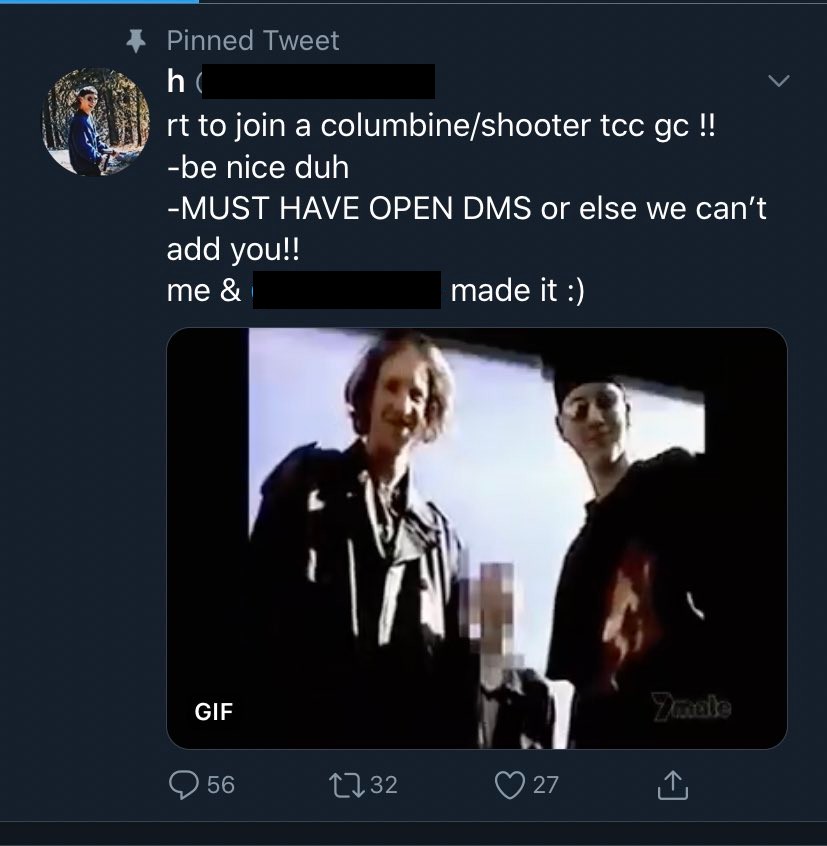
Holly wasn’t some impulsive kid having a bad day. He was steeped in Columbiner culture, white supremacist ideology, and antisemitic content. His profile photo was of mass shooter Elliot Rodger. He posted images of his revolver days before the attack. He was active on a gore forum where other school shooters had also been radicalized, and his TikTok accounts were loaded with white supremacist symbols. The Anti-Defamation League (ADL) flagged him to the FBI in July 2025, two months before he pulled the trigger. The FBI opened an assessment, failed to identify him, and closed the loop. Two days after the shooting, the FBI received information that would have connected the dots. Two days too late.
Now Colorado thinks it has an answer. House Bill 26-1255 would require social media companies to respond to law enforcement search warrants within 24 hours, establish a round-the-clock hotline for those requests, and mandate that platforms report posts that violate their own policies to local law enforcement within a day. Jefferson County Sheriff Reggie Marinelli, who worked on the bill, believes it would have stopped the Evergreen shooting. Rep. Tammy Story, the prime sponsor, says the bill was born directly out of September 10th.
I’m not opposed to this bill per se. 35 days to respond to a search warrant is absurd, and closing that gap to 24 hours is not an unreasonable ask. Fine.
But let’s be honest about what this is. This is Colorado lawmakers pointing at social media companies while studiously avoiding the two questions that actually matter.
The first one: where did the gun come from?
Holly’s family called the revolver a “family heirloom” that was stored in a locked safe. Somehow their 16-year-old, who was openly posting pictures of it on Twitter and bragging about his “little .38 special,” slipped it out without anyone noticing. The parents faced no criminal charges because investigators couldn’t establish a clean ownership trail, and the DNA on the gun didn’t match either parent. Case closed. Heirloom mythology wins again. Justice for guns and not for victims.
Nobody seems particularly interested in legislation about that. Nobody’s rushing to the Capitol to talk about what it means when a teenager can access a firearm from a family safe and parade it online for days before a shooting. And the adults in the home walk away without consequences. Where’s that bill? Where’s the hearing where grieving parents testify about secure storage requirements and criminal liability for negligent gun owners? Apparently that’s not on the agenda.
The second question: what exactly was the FBI doing for two months?
The ADL handed them a lead in July. The FBI opened an assessment, said they couldn’t identify the account holder, and did nothing further. They requested three search warrants. The results took roughly 75 days. The information arrived two days after the shooting.
So instead of investigating why a federal law enforcement agency sat on credible threat intelligence for over two months while a teenager assembled his gear and posted his plans online, Colorado is writing legislation to make Mark Zuckerberg pick up the phone faster.
I’ve seen this playbook before. Back in the mid-2000s, every time something went wrong online, lawmakers tripped over themselves to regulate social media platforms. MySpace was corrupting children, and the internet was a predator’s playground. The legislation that followed was never about holding parents accountable for not monitoring their kids’ online activity. It was about giving constituents someone faceless and corporate to be angry at and giving politicians something to run on.
I used to call it Soccer Mom legislation. It wasn’t designed to fix the problem. It was designed to fix the election. Give the worried parents in the suburbs something to point to, something that shows their representative is tough on the scary thing, and watch the votes roll in.
HB26-1255 has that same smell.
The Evergreen High School shooting happened because a radicalized teenager got his hands on a gun from his own home, announced his plans repeatedly on public platforms, was flagged to federal law enforcement months in advance, and was still allowed to walk into a school and shoot two kids. The failure points were the gun in the home and the FBI’s inaction. Social media was the megaphone, not the cause.
Speeding up search warrant responses is fine as far as it goes. But if Colorado thinks that’s the lesson of Evergreen, they’ve learned nothing.
Matthew Silverstone is eating through a tube and facing more surgeries.
A faster hotline wouldn’t have changed that. Holding the adults closest to that gun accountable might have. Demanding answers from the FBI about why two months of warning wasn’t enough might have.
But that’s harder, costs political capital, and makes enemies.
A bill targeting social media companies? That’s easy and safe. That’s a press release and a campaign talking point.
And in Colorado, apparently, that’s enough.
(Source)

 Old Man Trench
Leave a comment