


The kid from the 2018 Noblesville West Middle School shooting in Indiana is now turning 21 and walking out from under court supervision, not because everyone suddenly feels comfortable about it, but because the law says there’s nowhere else for the system to go. That’s the part people tend to miss when these cases fade from the headlines. Juvenile justice has a clock on it. When that clock runs out, it runs out, whether the public is ready or not.
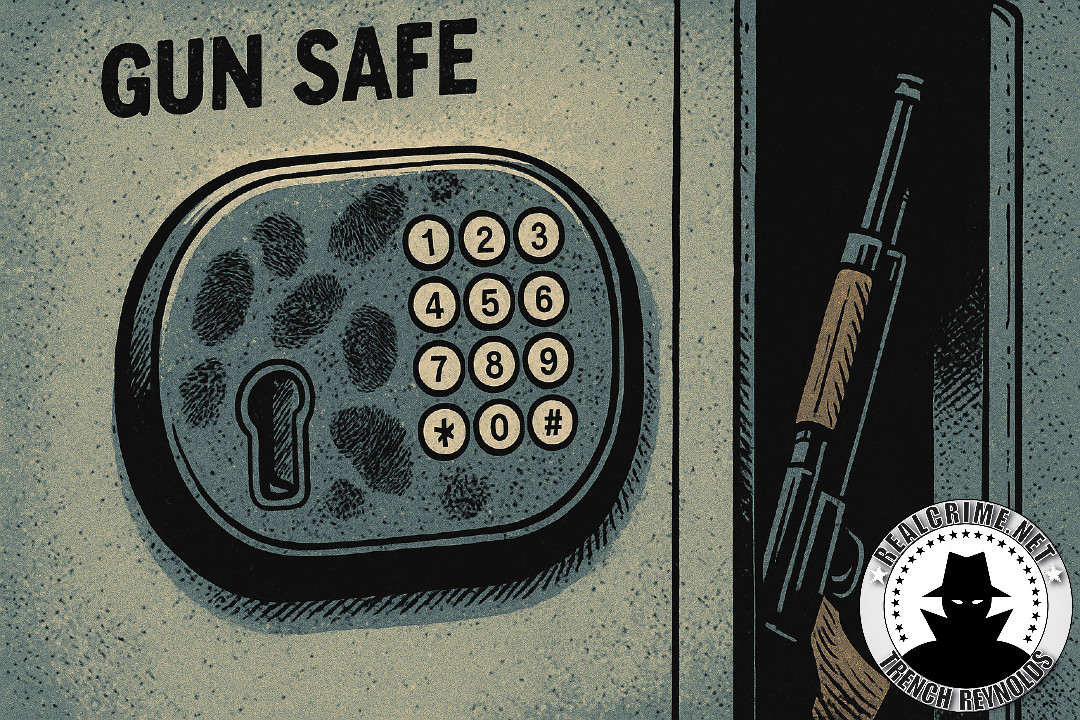
Back in 2018, this was another ‘it can’t happen here’ moment. Noblesville joined the list of places that people only knew because something terrible happened there. A 13-year-old brings two handguns from his parents’ safe into a classroom, fires multiple rounds, wounds a teacher and a student, and gets stopped only because that teacher tackled him. No fatalities, but that’s more luck than design.
Now here we are, eight years later, and the system is basically saying this is as far as we can take it.
The judge didn’t sound celebratory about it. If anything, he sounded resigned. He outright said the result felt “unsatisfactory,” and that’s about as honest as you’re going to get from the bench. Because what do you do with a case like this? The shooter was 13. He went through the juvenile system, did the programming, did the time in a facility, and did the years of GPS monitoring at home. On paper, that’s rehabilitation. In reality, it’s a question nobody can answer with certainty.
There’s no undoing what happened in that classroom. There’s also no clean metric that tells you someone who once recorded a video talking about taking lives before his own is now safe forever. There’s just time served, boxes checked, and a legal boundary at age 21.
And that’s where this collides again with the same issues I was talking about back in 2018.
First, access to guns. He took the weapons from his parents’ safe. That detail never stops amazing me no matter how many years pass. Every time one of these cases comes up, there’s always a version of that same question sitting underneath it. How did the kid get the guns?
Second, the long history of these incidents. People tend to think of school shootings as a single day, but they’re not. They echo on for years. The community obviously still feels it. The teacher and student who were shot have to carry that forever. The classmates who were in that room carry it. The whole town carries it. Meanwhile, the person who caused it is now legally moving on with his life because the system says he can.
That disconnect is uncomfortable, but it’s real.
Third, the limits of the system itself. Juvenile court is built around the idea that kids can be rehabilitated, and a lot of the time that’s true. But cases like this push that idea right up against its edge. The judge even said they looked for ways to keep monitoring him longer and couldn’t. Not wouldn’t but couldn’t.
So now the safeguards become partial measures. He can’t own a handgun until he’s 23. He can’t possess a firearm until the age of 28. After that, legally, the door opens again.
And that’s where the ‘it can’t happen here’ mindset creeps back in if people aren’t paying attention. Because once the story fades, once the person ages out of the system, there’s a tendency to treat it like it’s over.
It hasn’t been handled. It’s been processed.
I’m not going to sit here and say what should happen to him personally. Whether he’s rehabilitated, whether he deserves another chance, or whether the system did enough or not enough. Those are questions people are going to argue about and probably never agree on.
But what this case does show, very clearly, is that the same structural problems are still there. Kids still get access to guns. Communities still get blindsided by violence they thought couldn’t happen to them. And when the shooter is a juvenile, the system still has a hard stop, whether society feels ready for it or not.
Eight years later, Noblesville is still part of that conversation. Not because it was the deadliest or the most infamous, but because it’s another reminder that these incidents don’t just end. They age and evolve. Eventually, they come back into the spotlight in a way that forces everyone to confront what justice, accountability, and rehabilitation actually look like in practice.
And more often than not, the answer is messy, incomplete, and, as the judge put it, unsatisfactory.
(Source)
Leave a Reply