


As I detailed in yesterday’s post, an 18-year-old female student walked into the cafeteria at Valley Forge High School in Parma, Ohio, and shot herself in front of her classmates. Staff locked the building down, first responders moved quickly, and she was taken to a hospital where she later died from her injuries. Early reports left a lot of questions hanging in the air, especially about intent and whether this could have turned into something even worse.
Police have now answered at least some of those questions. Investigators say she did not intend to harm anyone else. One shot was fired, and it was self-inflicted. There was no second shooter, no broader plot, and no indication that this was going to escalate into a school shooting. This was a suicide carried out in a public place that guaranteed witnesses and trauma for everyone who was there.
That hasn’t stopped the usual reactions from kicking in. Some parents are already calling for metal detectors in schools, which is understandable on an emotional level. It feels like action, and it looks like security.
The problem is that metal detectors are a response to a symptom, not a solution to the underlying issue. They might catch a weapon at the door on a good day, but they don’t do anything about a kid who is spiraling, posting warnings in plain sight, and building an identity around despair long before they ever step into a school building. You can harden the entrance all you want, but it doesn’t address what’s happening in the bedroom, on the phone, or online at two in the morning.
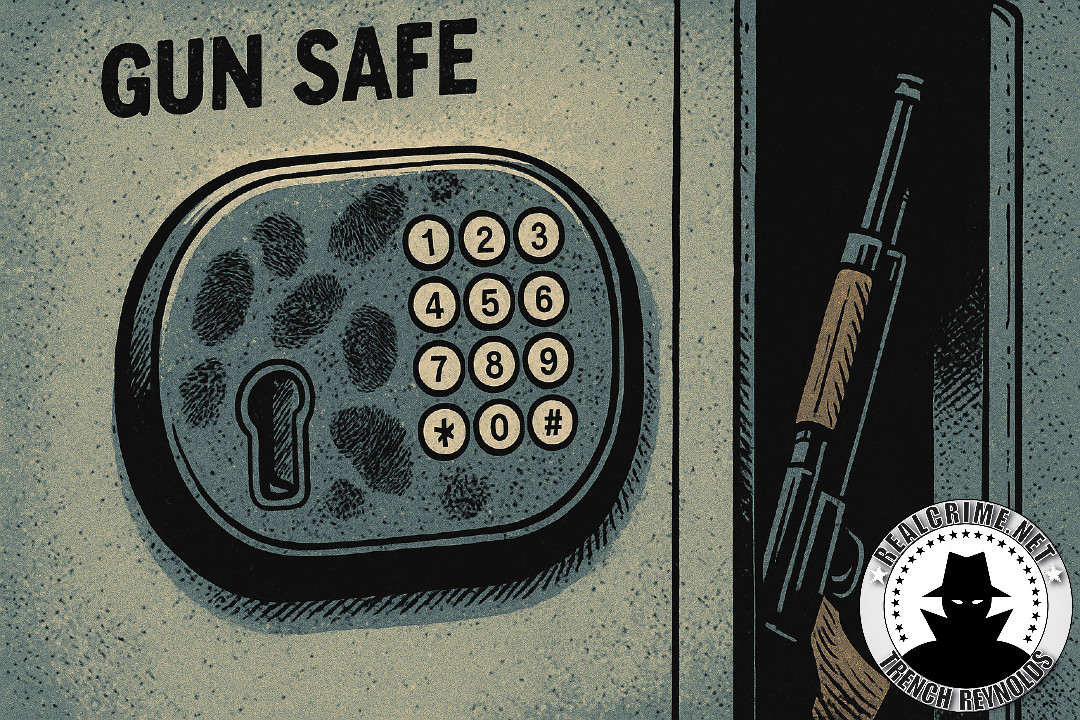
And, unsurprisingly, the gun didn’t come from the street or some shadowy black market. Police say the gun belonged to a family member. Once again, the weapon was probably already in the home. A teenager in obvious distress had access to a firearm and was able to carry it into a school and use it before anyone could stop her.
At some point, this has to stop being treated like an unfortunate coincidence. Parents need to be paying attention to what their kids are doing online, especially when it comes to communities that glorify death, violence, and suicide. The Columbiner circles and parts of the so-called True Crime Community aren’t just passive spaces. They can become echo chambers where obsession gets rewarded and where vulnerable kids start shaping their identities around the worst possible influences. Ignoring that because it’s uncomfortable is not an option anymore. You may think it’s just a phase, but it’s a phase that too often ends in death.
At the same time, knowing what your kids are watching and who they’re talking to isn’t enough if there’s a gun sitting somewhere in the house. Parents need to know exactly where their guns are at all times, not just assume they’re secure. Teenagers have an almost uncanny ability to find things they’re not supposed to find, especially when they’re motivated. Locks get figured out, and hiding places get discovered. Saying ‘it was secured’ after the fact doesn’t change what happened.
There’s a harder truth here that a lot of people don’t want to touch. If you have teenagers in the house, you shouldn’t have guns there at all. Not if you’re serious about preventing something like this. That’s not a political statement. That’s a reality check based on how often this exact scenario keeps repeating.
Now that we know the gun came from a relative, another question needs to be asked. Will there be any accountability for the person who owned it? Or is this going to be another case where access is treated as an afterthought instead of the critical failure point that it is?
This wasn’t a mass attack, but that doesn’t make it any less important. A young woman in crisis, shaped by what she was consuming and dealing with, had access to a firearm and made a final decision in a crowded room. The warning signs were there, the access was there, and once again, nothing or nobody stopped her.
(Sources)



Leave a Reply