


Back in June, two students, ages 14 and 15, walked into San Jose National High School in Tacloban City with a 9mm Glock and a .38 revolver and killed three of their classmates, and many others were wounded.
Bullying was the explanation that got tossed out first, and, of course. I didn’t buy it. Weeks of planning, a suspect who reportedly researched the country’s juvenile justice law beforehand, and a photo of one of them in a KMFDM shirt all pointed somewhere else entirely, toward the Columbine-worshipping corner of the internet.
Before long, the Philippine Senate was digging into the so-called True Crime Community, and investigators were floating 764 and online games as places where these kids got hooked.
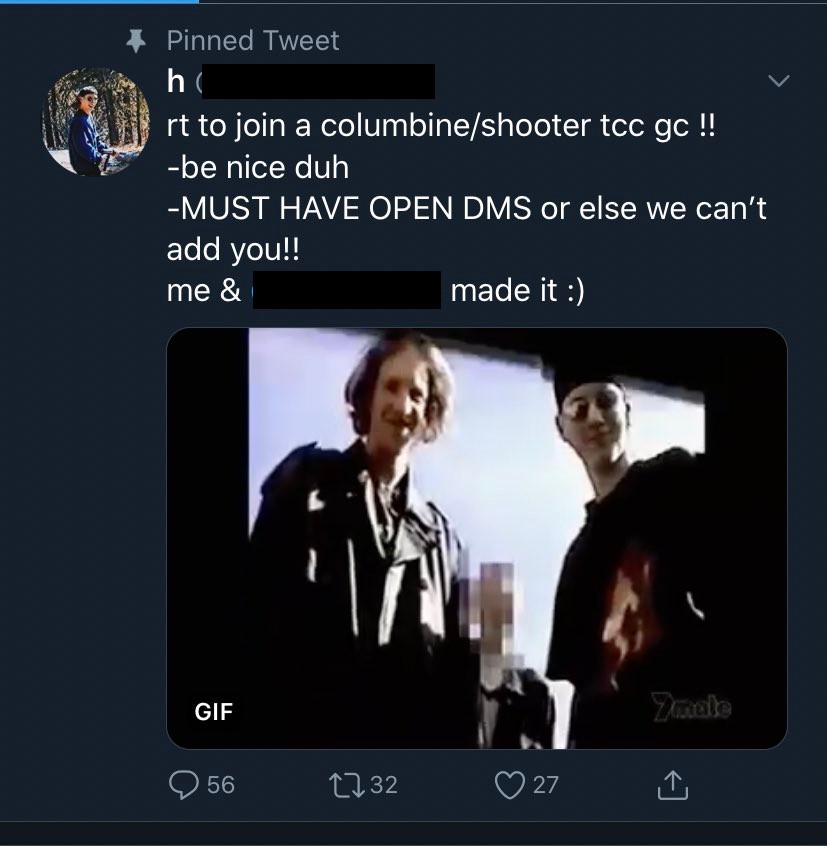
If you’re new to the term, the True Crime Community, or TCC, has very little to do with the harmless podcast-and-documentary crowd the name suggests. Philippine police cybercrime officials have described it as an online network of young people who share and consume violent extremist content, and the Banga reporting characterized it as a place where kids tied to school shootings get idolized. That matches what I’ve watched for years from the Columbiner side of the internet, where members obsess over past mass murderers, trade photos and videos, dissect attacks in grim detail, and egg each other on.
The more dangerous part is the recruiting. Philippine officials say the people working these circles look for vulnerable minors, often kids with trouble at home or at school, and prey on their insecurities by promising they’ll be remembered if they do something terrible. That’s a pipeline, and in my view it’s the same one that has been producing copycat shooters in the US for years, now showing up half a world away.
Then September rolled around, and the shooting at Banga National High School happened. A 16-year-old with two magazines and his father’s 9mm killed two classmates before killing himself, and he’d reportedly been posting in a TCC spaces online.
Seven days later, the National Bureau of Investigation announced it had picked up someone connected to the shooting, along with a 16-year-old alleged groomer in Cebu who’d supposedly been coaching a student at another South Cotabato school to copy the attack.
The bureau even teased a “rescue” of ten kids from that group within days. My reaction at the time was that an arrest announced without a name, a role, or a court filing is just a press release, so I filed it under “claimed.” In the weeks since, I haven’t come across anything that would move it into the “confirmed” column.
Which brings us to the latest announcement, and I’ll admit the number is eye-catching. The NBI says a task force chasing the Tacloban shooting has identified at least 60 people, minors and foreigners among them, who were allegedly behind the TCC grooming of children. Another 200 or so are reportedly under review as suspected influencers. The NBI says the evidence came from digital sources, that tips are still rolling in almost daily, and that the bureau is mapping the group’s structure, recruiting methods, and possible links to extremist groups. There’s no timeline for when any of this wraps up.
The NBI concedes that “not all 60 subjects have direct contact with the shooters,” which means a good chunk of that headline number may be people who orbit the network rather than anyone who allegedly groomed the kids into pulling the triggers. Fine, networks matter, and I believe radicalization does work that way. But identifying somebody isn’t arresting somebody, and a list of 60 names in an investigator’s file doesn’t protect a single kid sitting in a classroom in the Philippines.
I’d love for that number to be real. But you’ll have to forgive my cynicism, because we’ve now had weeks of announcements about groomers being nabbed, kids being “rescued,” and dozens or hundreds of suspects being identified, and I’m still waiting for the part where somebody gets charged and a name goes into the record. The Philippine people deserve to hear about arrests, not just identification, and so far the investigation into the TCC sounds more like a show than actual casework.
If Philippine investigators want me to eat my words, the recipe is simple. Announce arrests, name the charges, and let a court put it on the record, and I’ll happily grab a fork.
Until then, it’s a lot of identifying and not much catching, and the kids on the other end of that network don’t get any safer.
(Source)



Leave a Reply